Creating a cozy and functional home office is essential for anyone working or studying from home. A well-designed space can boost productivity, reduce stress, and make your daily tasks more enjoyable. Whether you have a dedicated room or just a small corner, these tips will help you create an office that feels both inviting and efficient.
1. Choose the Right Location
Consider Natural Light
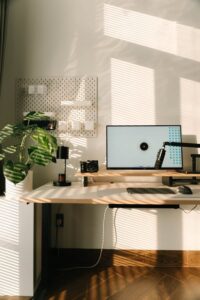
Placing your desk near a window allows you to benefit from natural light, which can improve mood and reduce eye strain. If natural light is limited, invest in good-quality lighting that mimics daylight.
Minimize Distractions
Select a quiet corner or a room where you can focus without frequent interruptions. If sound is an issue, consider noise-canceling headphones or adding soft materials like rugs and curtains to absorb sound.
2. Invest in Comfortable Furniture
Ergonomic Chair
A supportive, adjustable chair is crucial to prevent back pain and maintain good posture throughout the day. Look for chairs with lumbar support and adjustable height.
Functional Desk
Choose a desk that suits your work style and space. If you need to switch between sitting and standing, consider a height-adjustable desk. Ensure your desk has enough surface area to hold your computer, accessories, and workspace essentials.
3. Organize Efficiently
Declutter Regularly
A tidy workspace helps reduce distractions and clear your mind. Keep only what you need on your desk and store other items in drawers or shelves.
Use Storage Solutions
Invest in organizers, filing cabinets, or floating shelves to keep papers, stationery, and gadgets neatly stored. Labeling boxes or folders can help you find things quickly.
4. Personalize Your Space
Add Plants
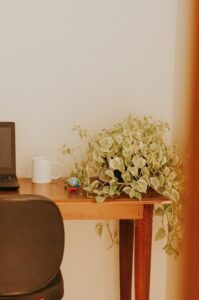
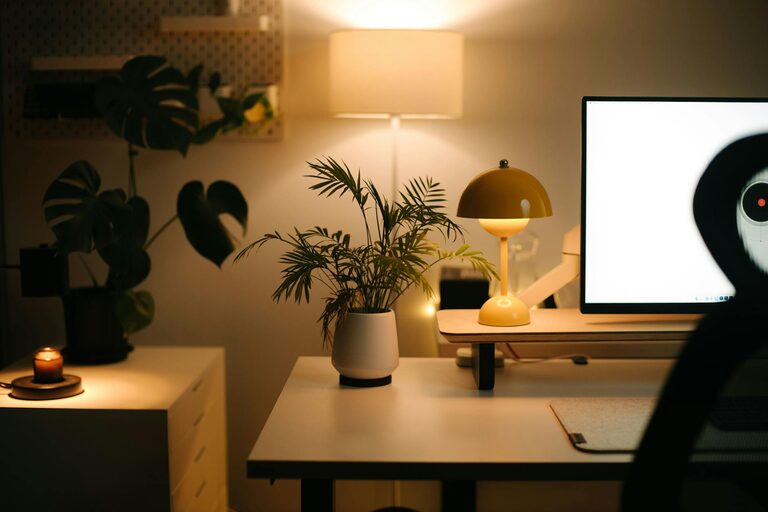
Indoor plants not only enhance the look of your office but also improve air quality and add a refreshing touch to your space.
Decorate with Meaning
Include personal items like photos, artwork, or inspirational quotes that make you happy and motivated without overwhelming the space.
5. Optimize Technology Setup
Cable Management
Manage cords with clips, sleeves, or under-desk trays to keep your workspace neat and avoid tangling.
Essential Devices
Equip your office with reliable devices such as a good monitor, keyboard, and mouse. Consider adding accessories like a webcam, microphone, or speakers if needed for virtual meetings.
6. Create Zones for Different Tasks
If your office space is large enough, set up different areas for various activities. For example, have a reading nook or a small area for brainstorming with a whiteboard or corkboard nearby.
7. Improve Air Quality and Temperature
A comfortable temperature and fresh air can keep you alert and comfortable. Use fans, heaters, air purifiers, or open windows regularly to maintain good air quality.
8. Incorporate Soft Textiles
Add cozy elements like a soft rug, cushions, or a throw blanket. These textures make your office feel warmer and more inviting, perfect for long working hours.
9. Set Boundaries and Routines
Define your working hours and communicate boundaries to family or housemates. Having a dedicated space helps mentally separate work from relaxation, improving both focus and downtime.
Conclusion
Designing a cozy and functional home office doesn’t have to be complicated or expensive. By thoughtfully choosing your location, investing in comfortable furniture, organizing effectively, and personalizing the space, you can create an environment that supports your best work while keeping you comfortable. Small adjustments like improving lighting, managing cables, and adding plants can make a big difference in turning your home office into a place you look forward to using every day.